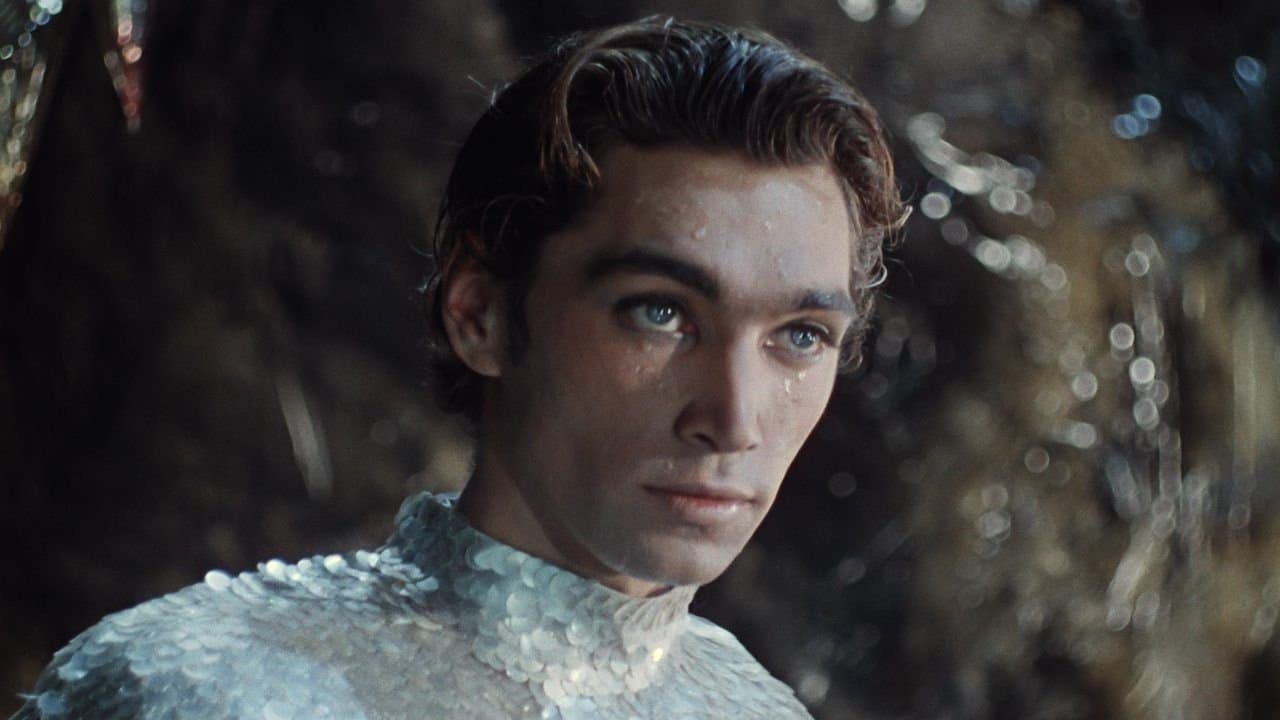
<p>In 1962 regizorii rusi au creat filmul de mare atractie ,,The Amphibian Man", o combinatie intre Jules Verne</p><p>si Hans Christian Andersen, care a devenit cel mai extraordinar hit cinematopgrafic din istoria Sovietelor.</p><p>Ironia soartei este ca cele mai multe din imagini au ajuns pina la urma, indirect, pe ecranele din Apus, dar desigur modificate de nerecunoscut. Producatori de filme intreprinzatori din SUA, cum ar fi Roger Corman, au cumparat filme SF sovietice si japoneze la preturi foarte reduse, si le-au re-vandut apoi unor regizori americani in ascensiune pentru a fi re-impachetate in filme noi de super-productie. Unele dintre ele au fost ,clonate' in mai multe filme americane SF, cum a fost cazul filmului ,,Planet of Storms" al lui Klushantsev, care a fost ,clonat' in trei filme SF americane diferite. </p><p> </p><p> </p><p>Citatul direct din Sursa: </p><p>,,And in 1962, Kazansky and Chebotarev’s charming The <strong style="color: black; background-color: #ffff66">Amphibian</strong> <strong style="color: black; background-color: #a0ffff">Man</strong>, a cross between Jules Verne and Hans Christian Andersen, became one of the biggest smash hits in Soviet history. Ironically, a great deal of imagery from these astonishing works did end up Western screens — albeit mauled beyond recognition. Enterprising U.S. producers like Roger Corman purchased Japanese and Soviet sci-fi films at bargain prices, and gave them to up-and-coming American directors (Francis Ford Coppola and Peter Bogdanovich) to re-fashion (via newly shot connecting narratives) into drive-in fodder. Thus Klushantsev’s Planet of Storms was the basis for not one but three new movies."</p>